by Ron Harding, BWGI Executive Director
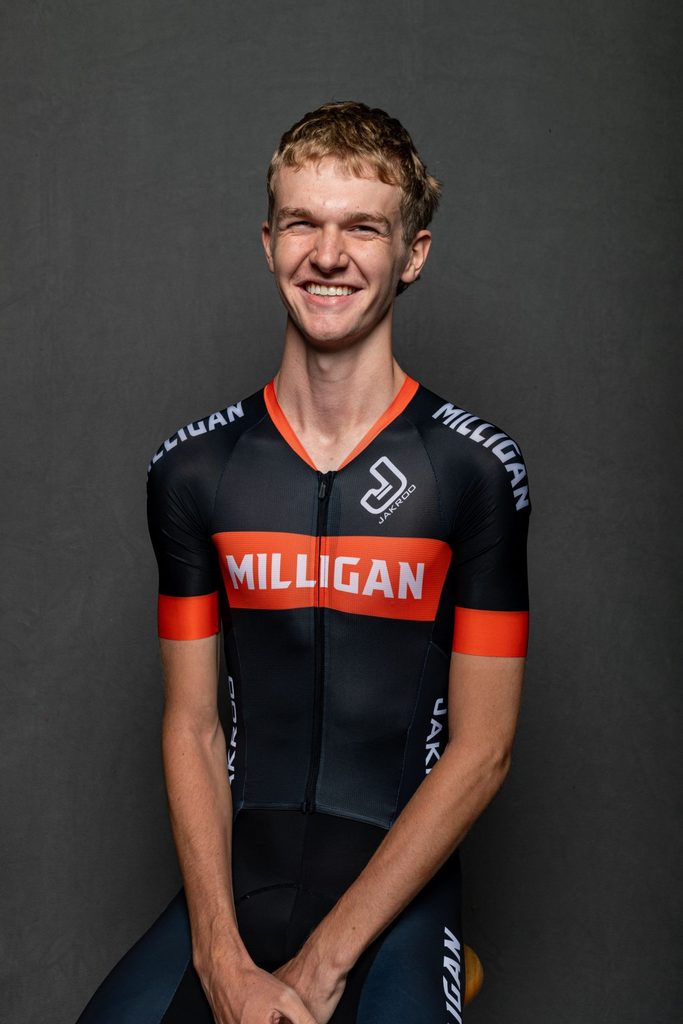
You’ve probably heard or read that 11 members of the Milligan University cycling team were struck by a motorist while on a training ride this past Wednesday. Two died. Their names were Haylan Engdahl and Brayden Rogers. Five others were injured, two of them critically.
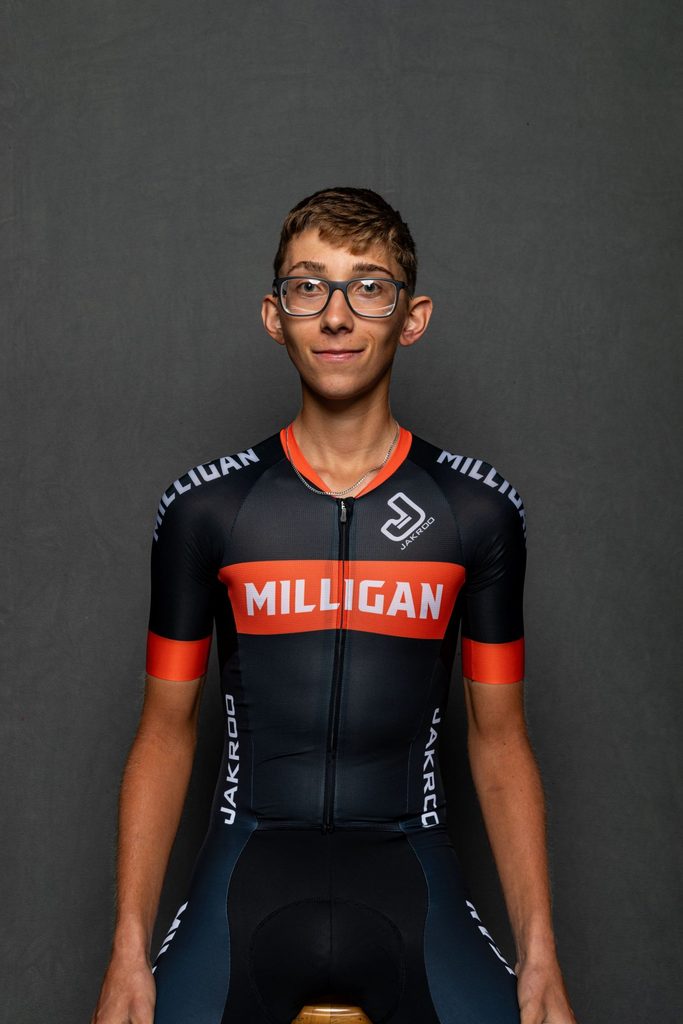
The driver who struck them, John Benfield, has been charged with two counts of reckless vehicular homicide and five counts of aggravated assault by vehicle. Whether he’s guilty of these or other crimes will be decided in court, probably many months from now. I don’t wish to play armchair judge or jury. Instead, I want to express my sadness and consternation over the volume of social media comments showing more sympathy for the driver than for the athletes and their families.
Like everyone I know who rides a bike on the road, I’ve received insults, curses, and intimidation from a small but memorable minority of motorists. The social media comments brought these experiences back to mind in an especially raw way, coming as they did right after the deaths of the Milligan cyclists. The only complaint the angry posters seem to have is that it might cost them 20 seconds to wait until it is safe to pass a cyclist. That’s not a very good reason to feel murderous rage toward someone riding to work or school, cultivating their physical and mental health, or training for a competitive sport. I watched part of the arraignment. Comments appeared below the video in real time.
The most callous example: “Children shouldn’t play in the road.”
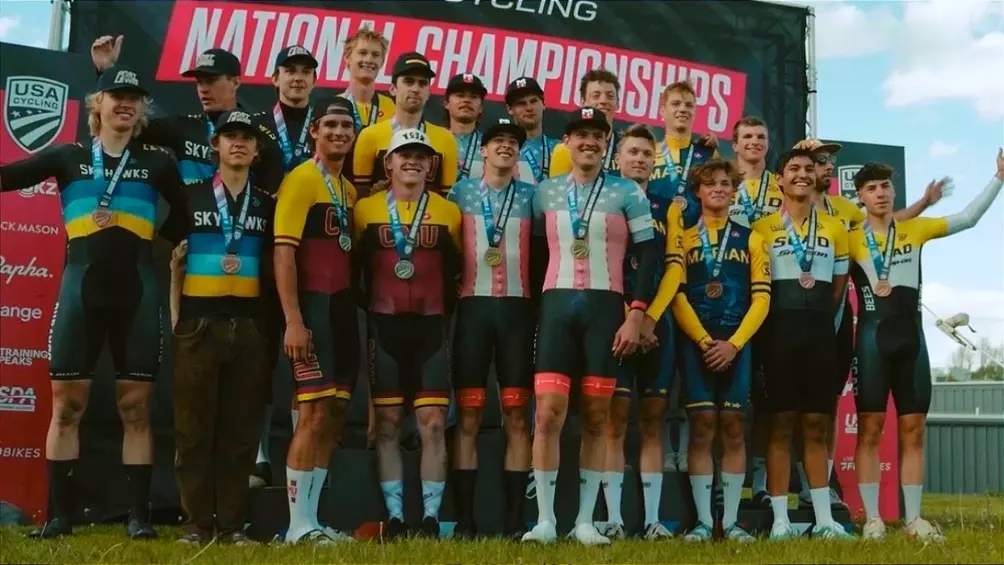
They weren’t children and they weren’t playing. They were elite athletes training for one of the toughest sports in the world. A cyclist who rode with the Milligan women’s team is now racing professionally in Europe. The men’s team won the USA Cycling National Collegiate Championship team time trial earlier this year.
I’ve been a competitive cyclist. I’ve reached max heart rate – legs and lungs screaming – from riding up a “beyond category” climb at a quarter of the speed the athletes who died Wednesday were capable of. The combination of talent and work ethic these cyclists possessed just to make the team earns them my unqualified admiration. So please, at least try to understand who died Wednesday. They were someone’s sons, friends, and siblings. They had their whole lives ahead of them. They were also measurably gifted human beings. Not only were they doing nothing mean or criminal; they were practicing the craft and discipline that made them exceptional.
Ryan Engdahl, the brother of Haylan Engdahl, posted a statement last Thursday that began, “My brother was murdered yesterday morning. . .” I understand why a brother would feel that way, but I also believe “murder” is a word too far. None of the evidence I’ve seen so far suggests that John Benfield got up that morning planning to run down cyclists, or that seeing them made him so angry he decided to run them down in a crime of passion. Apparently, he didn’t see them at all. He should have. There is no reason for him not to have seen them except his own reckless inattention.
Milligan University has had a cycling team for 17 years. Athletes on collegiate cycling teams ride 200-300 miles per week on the road. If the team typically has around 10 members averaging 250 road miles per week, that would amount to over two million road miles that Milligan University cyclists have ridden. If after all those years and all those miles, one driver runs into the team and kills two of them, it was not the cyclists’ behavior that resulted in their deaths. It was his.
I don’t know if putting John Benfield in prison is the answer. It won’t bring anyone back. However, if severe consequences serve as a deterrent to reckless driving that results in the death of a cyclist, I’m all for it. Serious consequences seem to serve as a deterrent to drunk driving. If every motorist knew that hitting a cyclist riding legally and responsibly would automatically result in loss of license and jail time, I’d expect more of them to pass me with three feet, which the law requires in both Tennessee and Georgia.
The greatest loss a motorist ever faces by driving a cyclist’s speed until it is safe to pass is the loss of a few seconds. On the other hand, we face losing our lives to a motorist’s impatience. John Benfield did not even stand to lose a few seconds. Based on the affidavit from the Tennessee Highway Patrol Officer who was among the first on the scene, there was an open left lane. The vehicle in front of him changed lanes to pass the cyclists – as the law requires. Doing so cost the driver absolutely no time. If Benfield had followed at a safe distance behind that vehicle, and had been attentive, he would have seen the cyclists and changed lanes as well, just as hundreds of other motorists did when passing Milligan University cyclists in the past.
Regardless of the causes of John Benfield’s behavior; regardless of whether that behavior is found to be criminal by the courts; it was his behavior, and his behavior alone, that caused the deaths of Haylan Engdahl and Brayden Rodgers. There is a problem to be solved. Too many bicyclists who ride predictably, responsibly, and legally are killed in crashes with motor vehicles. In each of those cases, including this one, the problem is the behavior of the operator of the motor vehicle.
My intention is not to demonize anyone or declare them criminals. But we cannot solve a problem we’re not looking at. So please, I implore you: start by learning the law. Reject the statement, “They shouldn’t have been on the road.” It’s not true, it amounts to blaming the victim, and it’s a distraction from the actual problem. If you feel unreasoning animosity toward bicyclists, figure out why, and either let it go or direct your anger at a real injustice. We’re not harming you, and if we ever inconvenience you, it is infrequent and inconsequential.
Is criminal punishment the solution? Should more motorists exhibiting a pattern of reckless behavior lose their licenses before something like this happens? Has there been a failure to educate motorists? Should penalties for distracted driving – even when someone is not harmed – be greater? Any or all of these might be the answer. I don’t claim to know. But I know what the answer is not: blaming law-abiding, responsible bicyclists for their own deaths.